
Transforming Industries with Dashboard Solutions for Industries
- Raji Jain
- Apr 28
- 4 min read

In today’s fast-paced world, businesses are constantly looking for ways to improve efficiency and reduce costs. One of the most powerful tools driving this change is the Internet of Things (IoT). Specifically, dashboard solutions for industries are revolutionizing how companies monitor, analyze, and optimize their operations. These dashboards provide real-time insights, enabling smarter decisions and faster responses.
IoT dashboards bring data from multiple sources into one place. This makes it easier to track performance, spot issues early, and improve overall productivity. In this post, I will walk you through how these dashboards are transforming industries, the benefits they offer, and practical steps to implement them effectively.
Why Dashboard Solutions for Industries Matter
Industries today face complex challenges. Machines, sensors, and systems generate massive amounts of data every second. Without a clear way to visualize and interpret this data, businesses miss out on valuable opportunities.
Dashboard solutions for industries solve this problem by:
Centralizing data from various devices and platforms
Providing real-time monitoring of key metrics
Offering customizable views tailored to specific roles or departments
Enabling predictive maintenance through trend analysis
Improving decision-making with clear, actionable insights
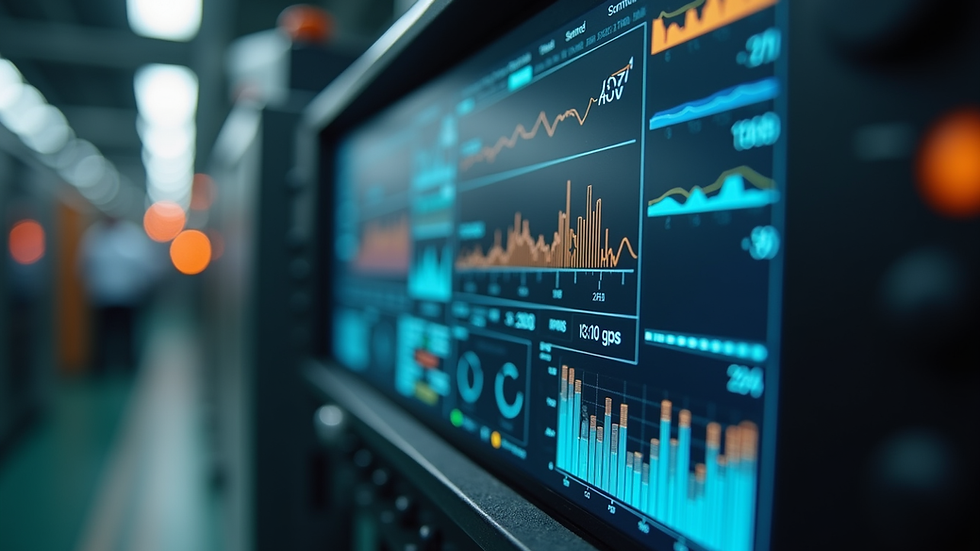
For example, a manufacturing plant can use a dashboard to monitor machine health, energy consumption, and production rates all in one place. This helps managers quickly identify bottlenecks or potential failures before they cause downtime.

Key Features of Effective Industrial IoT Dashboards
To truly transform operations, dashboards must be designed with the end-user in mind. Here are some essential features that make industrial IoT dashboards stand out:
1. Real-Time Data Visualization
Instant access to live data is critical. Dashboards should update continuously to reflect current conditions. This allows teams to react immediately to any anomalies or changes.
2. Customizable Interface
Different users need different information. Operators, engineers, and executives all require unique views. A flexible dashboard lets users customize widgets, charts, and alerts to fit their needs.
3. Integration with Multiple Data Sources
Industrial environments use various sensors, machines, and software systems. Dashboards must integrate seamlessly with these diverse sources to provide a comprehensive picture.
4. Predictive Analytics and Alerts
Advanced dashboards use AI and machine learning to predict equipment failures or process inefficiencies. Automated alerts notify teams before problems escalate.
5. Mobile Accessibility
Field workers and remote teams benefit from mobile-friendly dashboards. Accessing data on smartphones or tablets ensures continuous monitoring regardless of location.
By focusing on these features, businesses can maximize the value of their IoT investments and drive meaningful improvements.
How Industrial IoT Dashboards Drive Operational Efficiency
Operational efficiency is the cornerstone of competitive advantage. Here’s how IoT dashboards help businesses achieve it:
Streamlined Monitoring and Control
Dashboards consolidate data from multiple machines and processes. This reduces the need for manual checks and paperwork. Operators can monitor everything from a single screen, saving time and reducing errors.
Faster Issue Detection and Resolution
Real-time alerts highlight deviations from normal performance. Teams can respond quickly to fix problems, minimizing downtime and costly repairs.
Data-Driven Decision Making
Historical data and trend analysis empower managers to make informed decisions. For example, adjusting production schedules based on demand forecasts or optimizing energy usage during peak hours.
Enhanced Collaboration
Dashboards provide a shared platform for different departments. Everyone works with the same data, improving communication and coordination.
Cost Savings and Resource Optimization
By identifying inefficiencies and predicting maintenance needs, businesses reduce waste and extend equipment life. This leads to significant cost savings over time.
Implementing Industrial IoT Dashboard Solutions Successfully
Adopting IoT dashboards requires careful planning and execution. Here are practical steps to ensure success:
1. Define Clear Objectives
Start by identifying the key problems you want to solve. Whether it’s reducing downtime, improving quality, or cutting energy costs, clear goals guide the dashboard design.
2. Choose the Right Platform
Select a dashboard solution that supports your existing infrastructure and scales with your needs. Look for platforms that offer easy integration and customization.
3. Involve End Users Early
Engage operators, engineers, and managers in the design process. Their input ensures the dashboard delivers relevant and actionable information.
4. Focus on Data Quality
Reliable dashboards depend on accurate data. Invest in proper sensor calibration, data cleaning, and validation processes.
5. Train Your Team
Provide training to help users understand and leverage the dashboard features. Encourage a culture of data-driven decision making.
6. Monitor and Improve Continuously
Regularly review dashboard performance and user feedback. Update dashboards to reflect changing business needs and new technologies.
By following these steps, businesses can unlock the full potential of industrial iot dashboard solutions and accelerate their digital transformation journey.
The Future of Industry with IoT Dashboards
The evolution of IoT dashboards is just beginning. Emerging technologies will make these tools even more powerful and accessible:
AI-powered insights will automate complex analysis and recommend optimal actions.
Edge computing will enable faster data processing closer to the source.
Augmented reality (AR) dashboards will provide immersive, hands-free data visualization for field workers.
Enhanced cybersecurity will protect sensitive industrial data from threats.
As these innovations mature, industries will become more agile, efficient, and sustainable. IoT dashboards will be at the heart of this transformation, helping businesses stay competitive in a rapidly changing world.
Embracing dashboard solutions for industries is no longer optional. It’s a strategic imperative for any business aiming to modernize operations and boost efficiency. By leveraging real-time data, predictive analytics, and user-friendly interfaces, companies can unlock new levels of performance and growth.
If you’re ready to take the next step, start exploring how industrial IoT dashboards can fit into your operations. The future of industry is smart, connected, and data-driven - and it’s within your reach.


Comments